
Best Time to Trade Forex for Kenyan Traders
📊 Discover the best time to trade forex for Kenyan traders, focusing on sessions, volatility, and strategies to boost your success in currency markets.
Edited By
Edward Fletcher
The Tokyo forex session is one of the main trading periods in the global currency market. Understanding its timing from Kenya is key for traders who want to catch the best opportunities when the Tokyo market is active. Because forex trading operates 24 hours on weekdays, knowing precisely when Tokyo’s session opens and closes according to Kenyan local time helps you plan your trades better.
Tokyo’s trading hours typically run from 9:00 am to 6:00 pm Japan Standard Time (JST). Kenya operates on East Africa Time (EAT), which is generally 6 hours behind JST. This means, for Kenya, the Tokyo forex session runs from 3:00 am to 12:00 pm.
Since forex prices fluctuate based on the activity of traders worldwide, trading when Tokyo’s market is open means you’ll see more liquidity, tighter spreads, and better price movements especially in currency pairs connected to the Japanese yen.
For Kenyan traders, waking up early or positioning trades before 3:00 am in the morning might be a challenge, but the Tokyo session offers valuable trading windows after the quiet night hours. Also, this timing overlaps partly with the London session for about an hour in the morning (from 9:00 am to 10:00 am EAT), which usually increases volatility.
Tokyo forex session in Kenyan time: 3:00 am to 12:00 pm
Main forex pairs active: USD/JPY, EUR/JPY, AUD/JPY, NZD/JPY
Partial overlap with London session around 9:00 am to 10:00 am EAT
Understanding this schedule allows Kenyan traders to spot when the yen pairs tend to move and prepare trading strategies accordingly. For example, momentum traders might prefer the first few hours of the session when volatility surges, while scalpers may benefit from the overlap period with London.
By aligning your trading routine with the Tokyo session hours in Kenya, you can catch price actions influenced by Asian market economic news and central bank decisions that typically affect the forex pairs traded during this session.
Understanding forex trading sessions and their related time zones is key for any trader, especially when navigating markets from a place far from the major financial centres like Kenya. The forex market operates 24 hours a day, but activity peaks vary depending on the session. Knowing when these sessions start and close in your local time helps optimise trade timing and risk management.
Forex trading sessions are fixed time blocks during which exchanges in major financial hubs are active. These sessions reflect local business hours for cities like Tokyo, London, and New York. Since the forex market never really sleeps, it simply shifts attention from centre to centre across time zones. For a Kenyan trader, recognising these periods allows adjusting trading activities to peak liquidity and volatility moments for better prices.
The three major forex sessions are the Asian (Tokyo), European (London), and American (New York) sessions. Each has its unique patterns and currency pairs that dominate. For example, during the Tokyo session, Japanese yen (JPY) and certain Asia-Pacific currencies see higher activity, while the London session features the euro (EUR) and British pound (GBP). Kenyan traders focusing on specific pairs must know when their preferred sessions start.
At times, two sessions overlap, causing a surge in trading volume and volatility. The London-New York overlap, occurring roughly between 3 pm and 7 pm EAT, is the most liquid and volatile. The Tokyo-London overlap, shorter and more subdued, usually falls around mid-morning Nairobi time. These overlaps offer prime opportunities but also increased risk.
Tokyo operates on Japan Standard Time (JST, UTC+9), London on Greenwich Mean Time or British Summer Time depending on the season (UTC+0 or UTC+1), and New York on Eastern Standard or Daylight Time (UTC-5 or UTC-4). Kenya runs on East Africa Time (EAT, UTC+3) year-round with no daylight saving time. This difference means the Tokyo session starts late at night or very early morning Kenyan time.
These time zone variations affect when Kenyan traders can access peak market hours. For example, the Tokyo session runs roughly from 2 am to 11 am EAT. So, a trader wanting to catch the early Asian market action might need to adjust their sleep and work schedule. Time differences also mean watching for economic data releases during odd hours.
To convert session times, add or subtract the time difference between the session’s zone and EAT. Since JST is six hours ahead of EAT, Tokyo’s 9 am opening is 3 am in Kenya. This simple calculation helps traders set alerts for session starts or when key market moves may occur.
Knowing the forex session times in relation to your local clock improves your readiness to enter or exit trades, helping you avoid unnecessary risks and dead periods in the market.
By understanding these basic structures and time zone differences, Kenyan traders can better plan trading strategies around market activity peaks and manage their daily routines accordingly.
Understanding the specifics of the Tokyo forex session is key for Kenyan traders who want to exploit market opportunities occurring during Asian trading hours. The Tokyo session offers unique trading hours, market behaviours, and currency pair dynamics that differ from European or American sessions. Being aware of these elements helps Kenyan traders time their trades better and choose appropriate currency pairs to follow.
The Tokyo forex session officially runs from 9:00 am to 6:00 pm Japan Standard Time (JST) on business days, reflecting the standard working hours of financial institutions in Japan. These hours mark when the Tokyo Stock Exchange operates, influencing liquidity and forex market activity. For traders, these hours signify the period when Japanese market participants and other Asians predominantly trade.
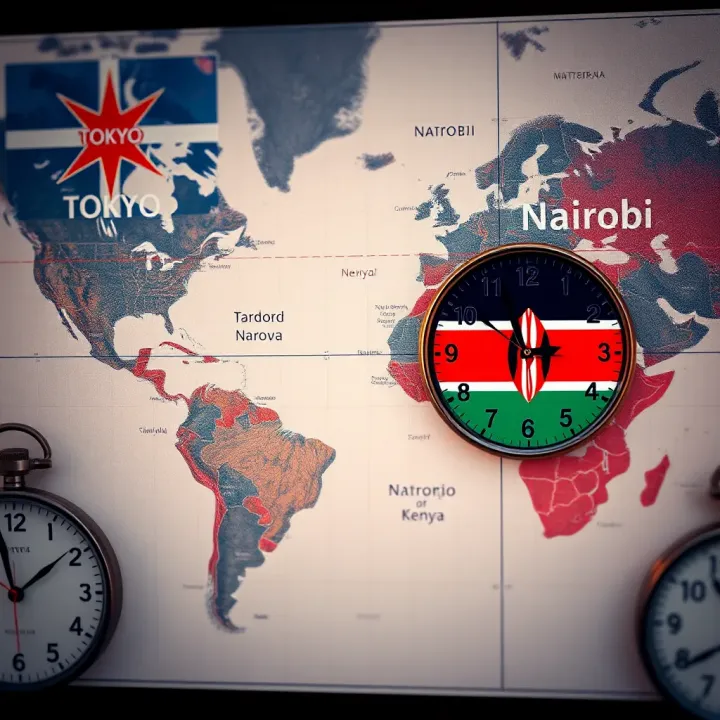
Kenya operates on East Africa Time (EAT), which is six hours behind JST. Since Tokyo is ahead, this means the Tokyo session runs from 3:00 am to 12:00 pm EAT. Traders in Nairobi, Mombasa, and Kisumu should plan to be active mostly in the early mornings and late mornings if they want to take advantage of Tokyo’s market movements. This timing can affect daily routines, especially for those with other daytime commitments.
For Kenyan traders, the Tokyo session starts at 3:00 am, quite early compared to regular business hours. The market closes at noon local time, offering a good window for morning trades before the European markets start heating up. This timing allows traders to catch the early Asian market momentum and also take time to rest or focus on other sessions later in the day.
The Tokyo session generally experiences moderate trading volumes and volatility, lower than the London and New York sessions but meaningful enough for active forex trading. Market spikes often happen during Tokyo’s opening hour as new market information from Japan and surrounding countries is absorbed. Kenyan traders can expect less erratic price movements than the European or American sessions, making it suitable for both range and breakout trading strategies.
Pairs involving the Japanese yen (JPY) dominate the Tokyo session, alongside Australian dollar (AUD) and New Zealand dollar (NZD) pairs due to close economic ties and overlapping market hours with Oceania. Common pairs such as USD/JPY, EUR/JPY, AUD/JPY, and NZD/JPY tend to have higher liquidity and better spreads. Traders focusing on these pairs during Tokyo hours can gain sharper entry and exit points due to increased market participation.
Compared to the London and New York sessions, the Tokyo session has lighter volume but provides a quieter environment with less price noise. This suits traders who prefer more predictable price swings and lower risk exposure. However, the overlap between Tokyo and London sessions near noon EAT can see heightened volatility, signalling good trading opportunities. Kenyan traders who balance trades between sessions can exploit these overlaps for better market timing.
The Tokyo forex session stands out with its early hours for Kenyan traders, stable market activity, and specific active currency pairs, making it a strategic period for those looking to diversify their trading across global time zones.
Understanding which forex pairs are active during the Tokyo trading session helps Kenyan traders focus on the right market movements and make better-informed decisions. Since the Tokyo session overlaps with Asian market hours, certain currency pairs involving the Japanese yen (JPY), Australian dollar (AUD), and New Zealand dollar (NZD) see increased activity. These pairs typically show more liquidity and volatility during Tokyo hours, creating specific trading opportunities.
The Japanese yen stands out as the key currency during the Tokyo session because Tokyo is its home market. Pairs like USD/JPY, EUR/JPY, and GBP/JPY usually experience higher volume and tighter spreads. This means price movements tend to be more predictable, which benefits traders looking for clearer trends or breakouts. For instance, a Kenyan trader focusing on USD/JPY during Tokyo hours can capitalise on intraday moves triggered by Japanese economic data releases or Bank of Japan announcements.
Though the AUD and NZD come from Oceania, their markets open slightly earlier, but they overlap with Tokyo trading hours. Pairs such as AUD/JPY, NZD/JPY, and AUD/USD commonly show increased volatility during this session. Price action in these pairs often reflects commodity price changes, interest rate decisions from respective central banks, and trade data from the Asia-Pacific region. Kenyan traders watching AUD/JPY can monitor Tokyo session trends linked to Australian export reports or Chinese industrial activity, given China's role as a major trade partner.
Major currency crosses involving JPY, AUD, and NZD dominate liquidity in the Tokyo session. Besides direct pairs, crosses like EUR/AUD or GBP/JPY also gain importance as traders react to Asian market influences. Having a clear understanding of which pairs move during Tokyo hours allows Kenyan traders to avoid low-liquidity times in other pairs and focus on sessions aligned with these active currencies. For example, if EUR/USD tends to be quieter in Tokyo hours, Kenyan traders might instead focus on EUR/JPY or AUD/JPY pairs for better trading conditions.
Focusing on Tokyo session-dominant pairs enables Kenyan traders to match their trading strategies with the session that best fits their routines and market behaviour.
By concentrating on these currency pairs during Tokyo trading hours converted to East Africa Time, traders can enhance their timing and improve the chances of meaningful trades. Keeping an eye on economic calendars and market developments affecting Asia-Pacific economies further sharpens trading edge during this session.
The Tokyo forex session offers Kenyan traders unique opportunities due to its timing and market behaviour. Since Tokyo operates during early morning to early afternoon in Kenyan time (EAT), it fits well for traders who are active during the day or early morning. This session sees distinct volatility and liquidity patterns, especially around Asian currency pairs like JPY, AUD, and NZD, which Kenyan traders can leverage to enhance their portfolio diversification.
Understanding how to navigate the Tokyo session allows traders in Nairobi, Mombasa, or Kisumu to strategise entries and exits more effectively, syncing their trading activity with market movements specific to Asia. Additionally, timely reactions to economic news from Japan or other Asian markets can create profitable setups missed during other sessions.
Breakout and range trading techniques are popular during the Tokyo session since the forex market often begins with lower volatility and consolidates into tight ranges before mid-session breakouts. Kenyan traders can watch key support and resistance levels forming between 11 am and 2 pm EAT when Asian markets heat up. For example, a trader might spot a range-bound pair like USD/JPY between 110.20 and 110.50 in the early hours, then place breakout trades once the price crosses these boundaries, taking advantage of the momentum.
Range trading also works well, particularly in early session hours when prices oscillate within a defined band. This demands patience but can offer steady gains, especially in pairs less prone to sharp swings during Tokyo hours.
Using volatility patterns helps Kenyan traders prepare for price swings native to the Tokyo session. Volatility often peaks right after the session opens around 3 am EAT, dips during mid-morning quiet hours, and sometimes rises again near session close. Traders can adjust their position sizes or tighten stop-loss orders during quiet periods to manage risk, then watch for burst trades during peak volatility windows.
For example, a trader may back off from aggressive trades on AUD/JPY around 6 am when Asian markets cool down, then ramp up activity closer to 10 am when volatility increases. Recognising these cycles prevents overtrading and limits surprises.
Timing entries and exits to match session hours is crucial. Kenyan traders should plan their trades within the Tokyo window, avoiding late entries just before the session closes around 12 pm EAT to prevent exposure to low liquidity and erratic price movements. Entering trades early when momentum builds allows room to manage the position as the session unfolds.
Careful exit timing, often coordinated with the start of the London session around 3 pm EAT, ensures smooth transitions and avoids sudden volatility spikes. Using alarms or automated trade management helps keep timings precise.
Setting alerts for session open and close is a simple but effective tool. It keeps Kenyan traders aware of critical market timing without constant screen-watching. For instance, price action often varies sharply as Tokyo opens, so an alert at 3 am EAT can prompt immediate analysis. Similarly, notifications at session close around noon help traders close or adjust positions before liquidity fades.
Reliable alerts can be set via popular trading platforms like MetaTrader or on Kenyan-focused brokerage apps.
When it comes to Kenyan platforms and brokers compatible with Tokyo hours, it is essential to use those that offer round-the-clock access and timely execution aligned with Asian market hours. Brokers with servers located near major forex centres can reduce slippage during critical Tokyo trades. Platforms like FXPesa or EGM Securities Kenya often provide this support, enabling Kenyan forex enthusiasts to trade Asian pairs without delays or connectivity interruptions.
Keeping track of economic news from Asia dramatically improves trade quality. Events like Bank of Japan policy announcements or Chinese GDP reports can cause sharp moves in Tokyo session pairs. Following updates through financial news outlets such as Bloomberg Africa, or economic calendars integrated into trading platforms, keeps Kenyan traders informed.
For example, a sudden hawkish statement from the Bank of Japan may create a strong yen rally — knowing this quickly allows traders to exploit short-term trends rather than get caught off guard.
Staying in sync with Tokyo session dynamics through strategic approaches and proper tools gives Kenyan traders a practical edge in the Asia-Pacific forex market.
Trading during the Tokyo forex session from Kenya presents specific practical challenges and opportunities. Understanding how to manage these can help traders maintain consistency, protect capital, and make the most of this quieter but still significant trading window.
Adjusting to early morning or late-night trading hours is a key consideration for Kenyan traders. Since the Tokyo session operates mainly from 3 am to 12 pm East Africa Time (EAT), many traders must decide whether to wake up early or stay up late to engage actively. This timing can disrupt normal sleep patterns and affect overall productivity during the day. For example, a Nairobi-based trader waking at 2:30 am to catch the start of the Tokyo session might find it hard to focus at work afterward unless they adjust their bedtime or take a nap.
Balancing these trading hours with daily commitments requires clear scheduling and discipline. Prioritising Rest and avoiding burnout is essential because poor sleep leads to bad decision-making under pressure. Setting realistic trading goals during this session, such as focusing on specific currency pairs for limited hours, can help maintain a healthy routine.
Balancing forex trading with other commitments involves making trade-offs between market participation and personal or professional duties. Many Kenyan traders treat forex as a side hustle alongside jobs or studies. Thus, trading during early mornings might mean rescheduling household chores or family time. For instance, a trader might allocate only an hour or two during the Tokyo session before preparing for work or school.
Creating a structured daily plan, including set trading times and non-trading breaks, improves focus and prevents feeling overwhelmed. Using automated tools like alerts or trading bots can also assist in managing trades without constantly watching the screen, making it easier to juggle responsibilities.
Volatility risks associated with the session tend to be lower than during London or New York sessions but are not negligible. The Tokyo session often features moderate price movements, but sharp volatility can occur around key economic releases from Japan or other Asian countries. For example, the Bank of Japan’s policy announcements may cause sudden currency swings.
Kenyan traders should be cautious not to underestimate these risks simply due to the session’s quieter reputation. Understanding when major news is scheduled and avoiding trading just before these events can help reduce exposure to unpredictable price jumps.
Position sizing and stop loss placement strategies are crucial to protect capital during the Tokyo hours. Since volatility is generally narrower, tighter stop losses make sense compared to other sessions, but they should still allow some room to avoid frequent stop-outs due to minor price fluctuations.
Position sizes should reflect the trader’s risk tolerance and available capital, especially if trading early in the morning when alertness may be lower. For example, reducing lot sizes or limiting the number of open trades during this session can prevent excessive losses during unexpected volatility. Stop losses placed beyond recent highs or lows create a buffer while keeping risks manageable.
Effective time management and risk controls tailored to the Tokyo session’s unique traits help Kenyan traders stay consistent and resilient in the forex market.
By understanding and applying these practical tips, traders in Kenya can trade the Tokyo forex session with greater confidence and less disruption to their daily lives.
📊 Discover the best time to trade forex for Kenyan traders, focusing on sessions, volatility, and strategies to boost your success in currency markets.
📈 Learn how the London forex session lines up with Kenyan time, key active hours, market overlaps, and practical tips to boost your trading game effectively.
📈 Learn the exact New York forex trading hours in Kenyan time, grasp why this session matters for your trades, and get tips to improve your strategy amid local market challenges.
📈 Learn how to trade forex in Kenya with this practical guide covering basics, tools, risk control, strategies, and local regulations. Trade smarter, earn safely!
Based on 11 reviews