
Understanding Trading Sites for Kenyan Investors
📈 Learn how to pick reliable trading sites in Kenya, understand how they work, spot risks, and trade safely with M-Pesa and local methods. Practical tips for all levels!
Edited By
Henry Collins
Trading signals are essential tools that help investors decide when to buy or sell assets. These signals come from analysing market data like price movements, volumes, and trends. For Kenyan investors, understanding how to interpret these signals can improve trading decisions and minimise unnecessary losses.
In Kenya’s markets, whether you’re dealing with equities on the Nairobi Securities Exchange (NSE), forex trading, or commodities, recognising clear signals is vital. These signals provide clues about the market’s direction and momentum, guiding you to act confidently rather than relying on guesswork.

A signal in trading is basically a pointer that tells you it might be the right time to enter or exit a trade. It’s like a traffic light for investors.
Technical Signals: These arise from chart patterns, moving averages, and indicators like the Relative Strength Index (RSI) or MACD. For instance, if the 50-day moving average crosses above the 200-day moving average, it’s often seen as a bullish sign.
Fundamental Signals: Based on financial news, company earnings reports, or macroeconomic data such as Kenya’s GDP growth or Central Bank decisions on interest rates.
Sentiment Signals: These reflect how investors feel about a market or asset. High buying volumes after a positive earnings report often signal bullish sentiment.
Imagine you spot a sudden increase in Safaricom’s stock volumes accompanied by a bullish candlestick pattern. This technical signal might suggest an upcoming price rise. Coupled with positive quarterly results, the combined signals strengthen your confidence to buy.
On the flip side, if you see slowing demand for key exports like tea or coffee and the Kenyan shilling weakens noticeably, fundamental and currency signals point to caution on stocks affected by export revenues.
Knowing the tools available, such as MetaTrader platforms or local brokerages’ research, helps apply these signals effectively. But remember, no signal is 100% accurate, so assessing risks with stop-loss orders or diversification remains key.
This guide will break down how to read, interpret, and apply trading signals practically, ensuring you get the most from your investment decisions while managing risks in the Kenyan trading environment.
Trading signals serve as guidance tools that help investors make informed decisions about when to buy or sell financial assets. In the Kenyan market, where volatility and rapid shifts can challenge even experienced traders, signals act like a traffic light system — indicating potential opportunities or risks ahead. For instance, a signal might trigger you to consider buying Safaricom shares after a dip suggests a bounce-back is likely.
These signals are not magic bullets but rather cues derived from analysing market patterns, data, and events. They condense complex information into actionable insights, helping traders avoid guesswork and catch timely moments in markets ranging from forex to the NSE equities.
At their core, trading signals are alerts generated by analysing various market variables that suggest the best times to enter or exit a position. Their main aim is to improve the timing of trades to enhance profitability and minimise losses. For example, a bullish signal might show that a stock's price is about to rise, prompting you to buy early before the price shoots up.
By providing clear entry and exit points, trading signals reduce the confusion that often comes with volatile markets. This allows investors to stick to set strategies rather than making impulsive choices based on emotions.
Technical analysis relies on historical price data and trading volumes to generate signals. It involves studying charts and indicators like moving averages or the Relative Strength Index (RSI) to spot trends or momentum shifts. For example, if the 50-day moving average crosses above the 200-day moving average for a stock listed on the Nairobi Securities Exchange (NSE), it may signal an upward trend, encouraging a buy.
This method suits Kenyan traders using platforms like MetaTrader or TradingView, which offer a range of technical indicators at their fingertips. Since technical signals focus on patterns, they are helpful for short-term trading decisions in volatile markets like forex or equities.
Fundamental analysis looks at the economic health and performance of companies or the economy to derive signals. Factors include corporate earnings reports, macroeconomic stats like GDP growth, or interest rate changes by the Central Bank of Kenya.
For instance, a positive quarterly earnings report from an insurer listed on the NSE could send a strong buy signal. On the flip side, rising inflation rates might warn investors to reduce exposure in certain sectors prone to cost-push pressures. Fundamental signals help Kenyan investors making long-term decisions by focusing on the underlying value rather than just price patterns.
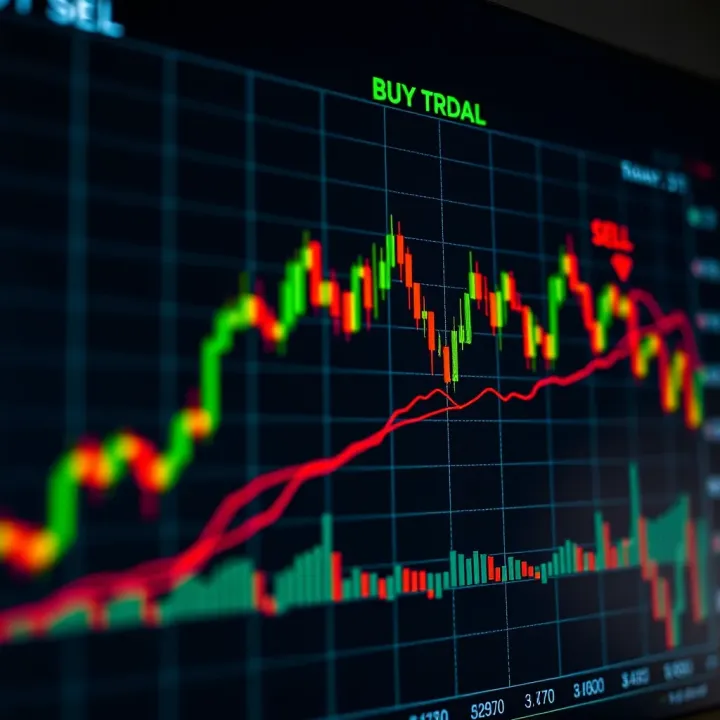
Sentiment analysis assesses the mood or attitude of market participants and the broader public. This could involve monitoring news headlines, social media buzz, or investor forums to gauge optimism or fear.
For example, widespread positive coverage about infrastructure projects funded by the Kenyan government might create bullish sentiment toward construction and cement companies on the NSE. Conversely, political uncertainty ahead of general elections often leads to cautious or negative sentiment, producing sell signals.
For local investors, understanding sentiment is essential since Kenyan markets can react strongly to news and social narratives, sometimes more than to fundamentals.
Trading signals can originate from manual analysis done by traders or analysts, who study charts and news to form opinions. Manual signals provide flexibility and human judgement but require time and experience.
Automated signal generation uses algorithms and computer programs to scan markets and issue alerts instantly based on predefined rules. These are especially useful for busy Kenyan traders who want timely signals without constant monitoring. However, automation depends on the quality of the programmed strategy and may miss some nuances that human analysis catches.
Whether manual or automated, combining several signal sources and confirming them can improve your chances of successful trades in Kenya's dynamic markets.
Trading signals come in various forms, each offering unique insights for making buy and sell decisions. Understanding the common types of signals helps Kenyan investors spot opportunities and manage risks more effectively. These signals often group into three main categories: technical indicators, price action signals, and news-based or fundamental signals.
Moving Averages smooth out price data to show the overall trend direction. For example, a simple moving average (SMA) calculates the average price over a set period, like 50 days. Traders often look for "crossovers," such as when a short-term moving average crosses above a longer-term one — this could signal a good time to buy. Moving averages help Kenyan traders filter out market noise, especially in volatile markets like NSE stocks or forex pairs.
Relative Strength Index (RSI) measures the speed and change of price movements on a scale from 0 to 100. When RSI goes above 70, an asset may be overbought, suggesting a possible price drop soon. When it drops below 30, the asset might be oversold, indicating potential buying opportunities. For instance, a forex trader in Nairobi might use RSI to decide when to enter or exit forex positions, helping avoid costly mistakes in fast-moving currency pairs.
MACD (Moving Average Convergence Divergence) combines moving averages to track momentum. It compares short-term and long-term averages to give buy or sell signals based on their divergence or convergence. When the MACD line crosses above the signal line, it can indicate an uptrend starting; crossing below might warn of a downturn. This indicator is practical for Kenyan investors trading shares listed on the Nairobi Securities Exchange (NSE) who need to understand momentum shifts clearly.
Support and Resistance Levels mark price points where buying or selling pressure typically makes the price reverse or pause. If a stock repeatedly bounces off a certain price (support), it shows buyers are keen there. Conversely, resistance levels indicate where sellers keep prices from rising further. Recognising these levels on charts helps Kenyan traders set entry, exit, and stop-loss orders wisely.
Chart Patterns such as head and shoulders, double tops, or triangles reflect market psychology. Spotting these formations on price charts can predict trend reversals or continuation. For example, a double bottom pattern may signal the end of a downtrend, prompting investors to buy before prices rise. Many local traders rely on these visual clues when trading commodities or blue-chip shares.
Candlestick Patterns provide detailed price info for specific periods. Patterns like doji, hammer, or engulfing candles show shifts in market sentiment quickly. A "hammer" at the bottom of a decline may hint at a potential upturn, offering timely buy signals. Candlestick analysis suits day traders on platforms like MetaTrader who require fast decision-making tools.
Economic Reports like Kenya’s GDP figures, inflation statistics from the Kenya National Bureau of Statistics (KNBS), or Central Bank of Kenya (CBK) monetary policy announcements impact market direction. Traders watch these releases closely because they can cause sudden shifts in currency or stock prices. For example, a higher-than-expected inflation report can weaken the Kenyan Shilling, influencing forex trades.
Corporate Announcements such as earnings reports, dividend declarations, or leadership changes affect individual company shares. Local investors trading on the NSE should monitor firms’ quarterly statements; a profit warning could lead to a sell-off, while strong earnings might boost stock prices.
Global Events Impact includes factors like oil price fluctuations, geopolitical tensions, or pandemics that ripple into Kenyan markets. For instance, rising crude prices may increase costs for transport companies listed on the NSE, which could dent their share prices. Staying informed about global happenings helps investors adjust strategies accordingly.
Understanding these signal types equips Kenyan traders to make informed decisions, combining technical tools with real-world events to navigate local and international markets.
Accessing reliable trading signals requires the right tools and platforms, especially for Kenyan investors navigating both local and international markets. These platforms combine data analysis, charting tools, and signal alerts to help traders make smarter decisions. Picking one that fits your trading style and budget can make the difference between steady profits and missed opportunities.
MetaTrader is a widely popular platform among Kenyan traders due to its robust technical analysis capabilities and user-friendly interface. It supports both MetaTrader 4 (MT4) and MetaTrader 5 (MT5) versions, offering a vast catalogue of indicators, expert advisors (automated trading robots), and customisable charts. Most importantly, MetaTrader allows users to receive real-time trading signals directly within the platform, making quick reactions possible. Kenyan brokers like EGM Securities and Olympic Securities provide access to MetaTrader, tying it closely to the local market.
TradingView stands out with its web-based approach and strong social community features. It offers interactive charts and an extensive library of technical indicators, plus the option to create custom scripts using Pine Script. For Kenyan traders, TradingView’s cloud accessibility means you don’t have to install heavy software, and you can monitor markets wherever. Alerts on price movements and indicator signals send timely notifications via mobile or email, crucial for those balancing trading with work or other hustles.
Local Brokerage Platforms play a growing role in Kenya as they adapt to regional market needs. Brokers such as NCBA Securities and KCB Capital offer integrated trading platforms for NSE equities and Forex, often including signal services and research reports tailored for Kenyan and East African markets. These platforms may provide access to signals based on local market trends, government economic data, or corporate earnings. Using local platforms can be convenient since many support M-Pesa payments directly, easing deposits and withdrawals.
Third-Party Signal Providers in Kenya typically offer services on subscription basis, sending specific buy or sell alerts via SMS, WhatsApp, email, or dedicated apps. They often specialise in Forex or cryptocurrency markets where signal generation relies heavily on technical indicators. While many offer free trials, caution is needed; vet providers carefully to avoid scams. Reputable ones provide transparent performance history and practical guides on how to integrate signals into your strategy.
Social Trading Communities have become a popular way for Kenyan traders to learn and share insights. Platforms such as eToro and ZuluTrade allow investors to follow and copy trades of experienced signal providers. This communal approach not only shares signals but also trading reasoning, which is invaluable for less experienced traders. In Kenya’s growing digital economy, these communities offer a way to stay connected, share market updates, and even form virtual harambees around trading education.
Accessing the right tools and platforms is fundamental. Whether you prefer automated signals from MetaTrader, crowd wisdom on TradingView, or community insights through social trading, matching your choice with your local context and trading goals will sharpen your edge.
Ensuring these platforms suit your trading needs, respect your budget, and integrate well with payment methods like M-Pesa simplifies your trading journey in the Kenyan market.
Successfully using trading signals depends on evaluating their reliability and applying them wisely within a trading plan. For Kenyan investors navigating markets like the NSE or Forex, this skill can make the difference between gains and losses. Without proper assessment, signals might lead to poor decisions influenced by market noise or false alarms.
Backtesting involves testing a trading signal against historical market data to see how it would have performed in the past. For example, a trader in Nairobi might backtest a moving average crossover signal on the NSE 20 Share Index using data from the last three years. This helps establish whether the signal has a track record of accuracy before risking real funds. Backtesting can expose weaknesses, such as frequent false entries, enabling the trader to improve or avoid unreliable signals.
Relying on a single signal can be risky. Traders often look for confirmation through multiple indicators or market signals. For example, if a moving average crossover suggests a buy, confirmation might come from an RSI below 30 indicating oversold conditions. This reduces the chance of acting on misleading signals and improves decision confidence. In Kenya's volatile markets, applying such strategies helps avoid false alarms caused by sudden local events or market jitters.
Even the best signals can fail. That's why using stop-loss and take-profit orders is vital. A stop-loss order automatically sells an asset if its price drops to a certain level, limiting potential loss. Likewise, a take-profit locks in gains once the asset hits a target price. For instance, a trader might set a stop-loss 5% below the entry price of Safaricom shares and take-profit 10% above to protect capital. These orders help Kenyan investors manage risk without needing to watch markets constantly.
Relying on signals from a single stock or asset exposes one to specific risks—like regulatory changes affecting a company or sector. Diversification means spreading investments and trading signals across different asset classes or sectors. A trader could combine signals for blue-chip stocks like KCB and companies in the agricultural sector, alongside Forex trades in USD/KES. This approach cushions against losses from any single position, smoothing the overall trading results.
To make signals truly effective, they must fit into a well-structured trading plan. This means defining entry and exit rules, risk limits, and criteria for signal acceptance upfront. For example, a plan might specify only trading signals confirmed by at least two technical indicators and setting maximum daily loss limits in Kenyan shillings. Integrating signals this way creates discipline, guards against emotional decisions, and aligns trading actions with broader financial goals.
Reliable evaluation and careful application of trading signals aren’t optional; they are essential steps towards consistent gains, especially in Kenya’s dynamic markets.
By understanding and practicing these methods, Kenyan investors can take full advantage of trading signals while keeping risks under control.
📈 Learn how to pick reliable trading sites in Kenya, understand how they work, spot risks, and trade safely with M-Pesa and local methods. Practical tips for all levels!
📉 Get a clear, practical guide to forex trading in Kenya! Understand market basics, currency factors, risk management, and tech setup to trade confidently.

📈 Discover Maven Trading's role in Kenya's markets, its tools, risks, and rewards. Gain practical tips for savvy investing with local insight and KSh considerations.

📈 Learn how to use trading charts to spot market trends in Kenya. Understand chart types, key indicators, and avoid common errors for better trading decisions. 🇰🇪
Based on 15 reviews