

Understanding the Volatility Index for Kenyan Investors
📈 Understand the Volatility Index to track market shakes and investor mood in Kenya. Learn how this tool helps manage risks and guides smarter investing decisions.
Edited By
Liam Parker
The Volatility 75 Index is a financial instrument designed to measure the level of market volatility—basically, how wild price swings can get in a short period. It’s often used by traders who want to profit when markets become choppy or unpredictable. Unlike stocks or traditional indices tracking company shares, this index focuses on the speed and size of market moves.
For Kenyan investors eager to diversify their portfolios beyond local stocks or bonds, the Volatility 75 offers a distinct way to access global market dynamics. It tracks the 75 most actively traded stocks on a major foreign exchange, reflecting the overall nervousness or confidence of investors. When the market is calm, the index stays low; when uncertainty spikes—due to economic news, political shifts, or global events—the index rises.
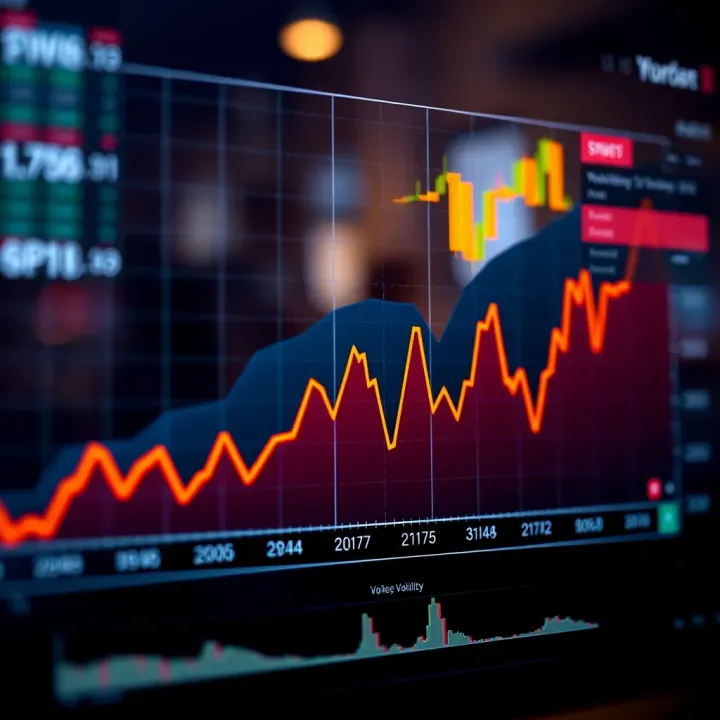
Understanding this index requires appreciating that volatility is both a risk and an opportunity. Sharp market swings can lead to sizeable gains or losses depending on how a trader positions themselves.
Here are a few key points about the Volatility 75 Index relevant for Kenyan traders and investors:
It is a synthetic index: Unlike direct stock indices, it simulates volatility based on algorithmic calculations rather than actual trading volumes.
Available through certain brokers: Many Kenyan investors access the index through platforms that offer CFDs (Contracts for Difference), allowing trading without owning the underlying asset.
Updates frequently: Its values shift quickly, sometimes every second, requiring attention and fast decision-making.
Appeals to short-term traders: Because volatility changes swiftly, it suits day traders or those using strategies like scalping more than buy-and-hold investors.
To get started, Kenyan investors should expect to use brokers regulated in trusted jurisdictions and understand the margin and leverage rules that come with trading this index. It’s also wise to keep track of global events as they can suddenly affect volatility levels, causing rapid price movements.
This introductory overview sets the stage for a detailed look at how the Volatility 75 Index operates, what drives its fluctuations, and how investors here can approach it practically and safely to boost their KSh investment returns.
Understanding the Volatility 75 Index is key for any Kenyan investor looking to diversify beyond traditional stocks or forex. The index reflects sudden movements in market prices, offering a unique way to trade volatility itself rather than an asset's price direction. This makes it especially useful in times of uncertainty when Nigerian and global markets can be unpredictable.
The Volatility 75 Index measures the expected 30-day volatility of the top 75 stocks on the US stock market. Unlike ordinary stock indices that track price levels, this index gauges how wildly prices move. Think of it as a “fear gauge,” showing how much market participants anticipate price swings. It is known for being highly active during market stress, with sharp spikes and dips that traders can exploit.
In practical terms, if Kenyan investors expect turbulence ahead—like during earnings seasons or geopolitical tensions—they might watch the Volatility 75 Index closely. For example, if the index jumps from 20 to 50, it signals more drastic daily price changes, indicating heightened risk and opportunity.
The index uses complex formulas based on the prices of options on the underlying stocks. These options reflect investor expectations of future price swings. When demand for protective options rises, the index value climbs. This market-driven calculation means the index reacts immediately to financial news or events.
For instance, if a major US company faces a scandal, option prices for that company might surge, pushing the Volatility 75 Index upward. Traders in Kenya who understand these shifts can adjust their strategies, perhaps choosing to short the market or buy volatility contracts to hedge existing positions.
Compared to the well-known VIX (Volatility Index) that tracks 30 major stocks, the Volatility 75 Index covers a broader stock base, adding an extra layer of insight into overall US market sentiment. It often reacts faster but can be more volatile itself, offering more intraday trading chances.
In contrast to indices like the FTSE 100 or the Nairobi Securities Exchange index, the Volatility 75 isn’t about price trends but about the degree of price movement. This makes it less about whether markets go up or down, but how sharply they do so.
For Kenyan traders, mastering how the Volatility 75 Index works helps in spotting opportunities where traditional stock trading might lag behind. It adds a valuable tool for trading in both calm and stormy markets.
To sum up, the Volatility 75 Index is more a barometer of uncertainty than a traditional market indicator. Its distinctive nature can complement other investment strategies, especially for those comfortable with higher risk and nimble positions.

Several key factors shape the movement of the Volatility 75 Index, impacting how it behaves day-to-day. Understanding these can help Kenyan investors anticipate changes and manage risks better.
The Volatility 75 Index responds strongly to shifts in global economic health. For example, changes in US Federal Reserve interest rates often trigger volatility spikes. Likewise, worsening trade relations or geopolitical tensions, such as conflicts in the Middle East or trade disputes between major economies like the US and China, can substantially increase market uncertainty. This uncertainty raises the index because investors brace for potential shocks. For Kenyan traders, watching these international developments is vital since local markets often move with global sentiment.
Sometimes the index moves based on how investors feel rather than hard data. Fear or greed can drive speculation in the markets. If traders start expecting more turbulence ahead, their collective actions—buying insurance through derivatives or selling off risky assets—tend to push the index higher. For instance, rumours about an economic slowdown can trigger speculative moves long before official data confirms the situation. Nairobi-based investors may notice sharp index swings during local or international earnings seasons when sentiment fluctuates rapidly.
Breaking financial news often sets the tone for the Volatility 75 Index. Announcements like unexpected company earnings, changes in fiscal policy, or emergencies such as bank failures can instantly alter market confidence. When these events happen during Kenyan trading hours, local investors often react within minutes. For example, news of a sudden hike in oil prices or political instability in a key trade partner can create ripple effects, pushing the index up. Staying updated through reliable financial news sources allows traders to respond quickly and position themselves accordingly.
For Kenyan investors, combining awareness of global economic events, market sentiment, and breaking financial news provides a sharper edge in predicting and understanding movements in the Volatility 75 Index.
Trading the Volatility 75 Index presents unique opportunities for Kenyan investors seeking to diversify their portfolios beyond traditional assets like equities and government bonds. This index reflects market volatility and moves sharply during times of uncertainty, offering chances for profits through both upward and downward price shifts. However, accessing it requires understanding local market options, the right platforms, and regulatory guidance to trade safely.
Kenyan investors can trade the Volatility 75 Index by opening accounts with brokers who offer access to international indices and CFDs (Contracts for Difference). Firms like Pepperstone, XM, and HotForex are popular among Kenyan traders, providing user-friendly interfaces and M-Pesa payment options for easy deposits and withdrawals. When choosing a broker, verify their licensing either through the Capital Markets Authority (CMA) or reputable international regulators such as the FCA (UK) or ASIC (Australia). Using brokers registered with CMA ensures some local oversight, reducing risks of fraud.
Kenyan investors should also consider spreads, leverage, and customer support, as these factors significantly impact trading costs and overall experience. For example, a broker offering tight spreads on the Volatility 75 with leverage up to 1:100 allows better capital efficiency but demands careful risk management.
The most common platforms used in Kenya for trading the Volatility 75 include MetaTrader 4 (MT4), MetaTrader 5 (MT5), and cTrader. These platforms present real-time charts, technical indicators, and automated trading features necessary for efficiently trading this volatile index. Mobile versions allow traders to monitor and execute trades while on the move, essential in Nairobi’s bustling environment or during travels.
Tools such as economic calendars, sentiment indicators, and volatility alerts can guide traders on when to enter or exit positions. Besides, integrating analytical resources like TradingView charts or broker-provided signals helps Kenyan traders better time their trades amid rapid market swings.
Kenyan investors must keep in mind that trading CFDs, including products tied to the Volatility 75 Index, is high-risk and may not be suitable for everyone. The CMA supervises local brokers and enforces regulations to protect investors, but foreign brokers operating in Kenya may fall outside direct supervision.
Investors should confirm the broker’s licensing status and beware of unregulated firms promising guaranteed returns. Also, taxation on gains from CFD trading follows general capital gains tax rules, and it’s wise to consult a tax expert to ensure compliance with Kenya Revenue Authority (KRA) requirements.
Trading the Volatility 75 Index in Kenya offers growth potential but requires using reliable brokers, trustworthy platforms, and understanding local regulatory frameworks to manage risks properly.
In sum, Kenyan traders can access the Volatility 75 through a growing network of brokers and platforms, but must prioritise due diligence and risk controls to navigate this volatile market successfully.
Understanding effective trading strategies is key for anyone looking to invest in the Volatility 75 Index. This index is known for its rapid price swings, so having a clear plan helps traders avoid rushed decisions and optimise gains. Kenyan investors should focus on practical methods that fit their risk appetite and trading style to navigate this volatile market successfully.
The Volatility 75 Index tends to experience sharp swings within short periods, which makes short-term trading popular. Day traders benefit by opening and closing positions quickly, aiming to profit from market noise and sudden price jumps. For example, some Kenyan traders might monitor the index during major global financial news releases to catch sharp but brief moves.
On the other hand, long-term trading involves holding positions over days or weeks, banking on broader market trends rather than minute-to-minute shifts. This strategy needs patience, because long-term trends in volatility can be less predictable. Kenyan investors who prefer this style should combine it with strong risk management and keep an eye on global economic indicators affecting the index.
Volatility means risk, and managing that risk is crucial. Kenyan investors should use stop-loss orders which automatically close a position at a set price to limit losses. For example, if one buys the Volatility 75 Index expecting an increase but the index drops sharply, a stop-loss prevents huge losses by exiting the trade early.
Position sizing is another important practice. Only risking a small portion of the portfolio on any single trade guards against major setbacks. Diversification outside the Volatility 75 Index, such as investing in NSE stocks or government bonds, helps spread risk and stabilises overall returns.
Technical analysis plays a major role in trading the Volatility 75 Index, especially for timing entries and exits. Kenyan traders commonly use tools like moving averages, Relative Strength Index (RSI), and Bollinger Bands to detect overbought or oversold conditions. For instance, if RSI indicates the index is oversold, it might be a good time to buy anticipating a bounce.
Volume analysis can also highlight strong moves, signalling when price trends might continue or reverse. Combining these technical indicators with a disciplined approach prevents emotional trading that often leads to losses.
Effective strategies revolve around choosing a consistent approach, protecting your capital, and using reliable market signals to make informed decisions. Kenyan investors familiar with the ups and downs of the local market will find these methods helpful to tackle the unique challenges posed by the Volatility 75 Index.
By focusing on clear trade plans, risk management, and technical timing, investors in Kenya can approach the Volatility 75 Index with greater confidence and a better chance of steady returns.
Investing in the Volatility 75 Index offers exciting opportunities but carries distinct risks that Kenyan investors must grasp. This section lays out the key dangers involved, helping you to trade wisely and protect your capital.
The core feature of the Volatility 75 Index is wild price swings, reflecting sudden bursts of market uncertainty. This unpredictability means prices can shift dramatically within minutes or even seconds. For example, during major geopolitical shocks or unexpected financial news, the index might jump or drop by double-digit percentages quickly. While such moves can bring big profits, they can just as easily wipe out investments if you're caught on the wrong side. Unlike steadier indices such as the NSE 20 Share Index, the Volatility 75 requires nimble trading and constant attention to market signals.
Because of its erratic nature, trading the Volatility 75 Index without safeguards is risky. Many Kenyan traders rush in hoping for quick gains but end up losing significant amounts, especially when using high leverage available through many brokers. To limit losses, it's wise to use strict stop-loss orders that automatically close positions when losses reach a set point. Position sizing also matters; risking too much of your portfolio on one trade can be a recipe for disaster. For instance, if you invest KSh 100,000, limiting your loss to 2–3% per trade helps avoid blowing the account in a single move. Diversifying your investments also reduces exposure to this single index’s swings.
Handling the emotional rollercoaster that comes with this index is another challenge. The sharp fluctuations can create stress, leading to poor decisions driven by fear or greed. Kenyan traders might panic during sudden price surges or dive in impulsively when prices spike, ignoring their trading plan. Staying disciplined is key: plan your trades beforehand, stick to your strategy, and don’t chase losses. Good traders also know when to step back and take a break to clear their minds. Mental toughness and emotional control often separate successful investors from those who burn out fast in this market.
Mastering risk and emotions is as vital as understanding the Volatility 75 Index itself.
In summary: volatility brings potential for gains but demands strict risk control. Avoid excessive leverage and set clear rules to shield yourself financially. Finally, manage your mindset to trade calmly amidst the market’s unpredictability.
📈 Understand the Volatility Index to track market shakes and investor mood in Kenya. Learn how this tool helps manage risks and guides smarter investing decisions.
📈 Learn how trader derivatives work in Kenya’s market, explore types, risks, strategies, and local regulations to trade confidently and protect your KSh investments.
📊 Discover how to choose the right trading platform for Kenyan investors. Learn about features, security, fees, and mobile access suited to Kenya's market.

📊 Learn forex trading basics, market tips, and risk strategies tailored for Kenyan investors. Start smart, avoid common pitfalls, and grow your KSh portfolio today!
Based on 12 reviews