

Forex Trading Guide for Kenyan Traders
📈 Learn forex trading basics, risks, and benefits with practical tips for Kenyan traders. Understand local rules and how to trade currencies safely and profitably.
Edited By
Emily Thornton
Forex trading is all about understanding currency movements and making decisions based on price action. One of the practical ways traders in Kenya and beyond analyse these movements is through forex chart patterns. These patterns help reveal traders’ psychology and potential future price directions, giving you an edge before placing a trade.
Chart patterns such as head and shoulders, double tops and bottoms, and triangle formations are widely used by professionals and retail traders alike. Spotting these formations on a price chart gives clues about possible trend reversals or continuation. For example, a head and shoulders pattern often signals that an uptrend may end, while a triangle indicates that price might break out soon, either up or down.

Successful trading depends on not just recognising patterns but understanding what they mean in context – volumes, time frames, and support/resistance levels all play a role.
Here’s why these patterns matter:
They simplify complex price movements into understandable shapes.
They help predict market sentiment shifts.
They guide entry and exit points, improving trade timing.
For Kenyan traders, integrating these patterns into your strategy can work well alongside local market considerations. Given how forex liquidity and volatility often change during Nairobi market hours or around major economic announcements within the East African Community (EAC), knowing when and how to read those patterns becomes even more useful.
In this article, we'll break down common forex chart patterns, show how to interpret each one, and share free PDF resources that Kenyan traders can download to practise spotting these patterns firsthand. Whether you use platforms like MetaTrader, TradingView, or local brokers’ tools, learning these chart skills will boost your confidence and trading decisions.
Start by focusing on the shape and volume confirming those patterns rather than just memorising their look. Understanding the story behind the charts transforms your analysis from guesswork into informed moves.
Keep reading for clear explanations and actionable insights suited for Kenyan forex traders aiming to improve market timing and risk management.
Forex chart patterns provide traders with vital clues about how currency prices might move next. These visual formations emerge from the collective buying and selling actions of many market participants, reflecting shifts in market psychology. For example, spotting a "head and shoulders" pattern often signals a likely trend reversal from bullish to bearish. Such recognition isn't just about aesthetics; it's about gaining an edge in predicting market behaviour before it fully unfolds.
Understanding chart patterns matters because they distil complex price data into recognisable shapes that simplify decision-making. Rather than guessing blindly, traders can make informed entries and exits based on pattern signals. For instance, a "double bottom" pattern can reveal strong support levels where buyers step in, indicating a potential uptrend. Kenyan traders working with tools like MT4 or MT5 will find that learning to identify these patterns sharpens their timing, especially during volatile periods linked to local economic news releases.
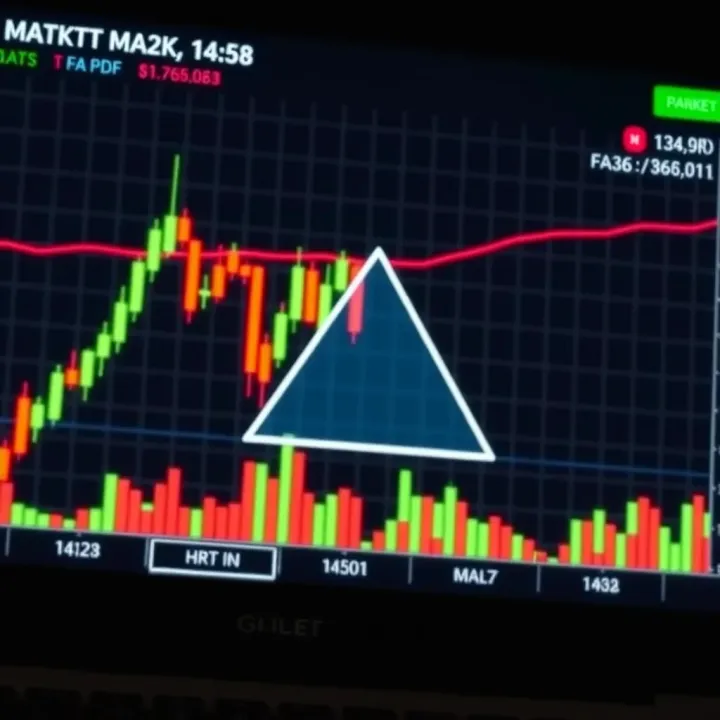
Chart patterns act like a window into the tug-of-war between bulls and bears in the forex market. They reveal whether a trend is continuing, pausing, or about to reverse. For example, a symmetrical triangle represents indecision, with buyers and sellers evenly matched before one side eventually wins. This pattern’s breakout direction often guides traders on what to expect next.
Besides trend direction, patterns hint at momentum strength. A sharp, clean breakout from a flag pattern suggests strong buying interest, while a sluggish movement might warn of a faint rally. So, paying attention to both the pattern shape and how price behaves around it can give you insights beyond raw numbers.
Recognising forex chart patterns helps traders manage risk and increase profitability. When you see a clear pattern forming, you can set stop-losses just beyond key points like the pattern's neckline or support level, minimising losses if the market moves against you. Additionally, patterns can guide setting realistic profit targets based on measured moves.
For Kenyan forex traders, this skill is particularly useful given the market’s occasional illiquidity or spikes during economic reports like CBK policy announcements. Being equipped to spot high-probability patterns means you can spot better trading opportunities rather than reacting late or chasing the market.
Mastering chart patterns doesn't guarantee success, but it helps build disciplined strategies based on market behaviour, not guesswork.
In short, starting with a solid grasp of forex chart patterns lays a foundation that enables smarter trading. With practice and use of free resources—such as PDF guides and demo accounts—you can get comfortable recognising these patterns and applying them confidently in Kenya's forex markets.
Understanding key forex chart patterns helps traders predict possible future price movements. These patterns form naturally from traders’ collective behaviour, reflecting supply and demand dynamics in the market. Recognising them gives you the edge to enter or exit trades more confidently, reducing the guesswork. Let's go through some primary pattern types and what they imply.
Head and Shoulders is one of the most reliable reversal patterns, signalling a trend is likely to change direction. It features three peaks, with the middle one (the "head") higher than the others (the "shoulders"). When this pattern completes, often after breaking the neckline support, it suggests bulls are tiring out and the market may turn bearish. For example, if USD/KES is climbing but forms a head and shoulders, you might prepare to sell anticipating a downturn.
Double Top and Double Bottom patterns highlight clear resistance or support levels. A double top forms when price hits a high twice but fails to break higher, warning of a bearish reversal. A double bottom is the opposite, showing strong support after two dips, hinting at a bullish upward move. Kenyan traders watching EUR/USD may spot these patterns forming around economic data releases, using them to time their trades.
Triple Top and Triple Bottom are extensions of double tops/bottoms but require the pattern to test resistance or support three times. This extra test often emphasises market indecision before a reversal. Although less common, noticing triple patterns can add confirmation to your analysis, especially in choppy markets like those sometimes seen in emerging currencies.
Triangles (Symmetrical, Ascending, Descending) represent consolidation phases before price resumes its previous trend. A symmetrical triangle shows tightening price action without a bias, often breaking out in the trend’s original direction. Ascending triangles have a flat resistance line and rising support, signalling bullish continuation, while descending triangles suggest bearish bias with a flat support and falling resistance. These are useful in volatile markets such as during Kenyan election months when trends pause briefly.
Flags and Pennants look like small pauses in strong trend moves, formed by tight, short-term consolidations. Flags appear as rectangular boxes sloping against the trend, while pennants are tiny symmetrical triangles. Both suggest the trend will resume after the brief rest. For instance, if the GBP/USD surges, forming a flag, traders might expect the strong move to continue, ready for entries after breakout.
Rectangles mark a sideways movement between clear support and resistance levels. This pattern represents market indecision but generally signals continuation of the prevailing trend post-breakout. Kenyan forex traders observing a rectangle might wait to see which way the breakout goes before committing funds, especially when major economic data is pending.
Spotting these key patterns can improve trade timing and risk management. They are not crystal balls but tools to better interpret market psychology in real time.
Reading forex chart patterns is not just about spotting shapes on a screen. It’s about understanding what these patterns imply for future price movements and how you can use that insight to make smarter trading decisions. Forex markets react to patterns because they reflect shifts in trader psychology, supply and demand, and market momentum. Grasping this connection helps traders break down complex charts into actionable signals.
The first step in effective pattern trading is being able to identify reliable signals while watching live price action. Not every pattern you see will lead to profitable trades. A reliable pattern usually shows clear, well-formed shapes accompanied by volume confirmation. For instance, when spotting a head and shoulders pattern, confirm that trading volume decreases during the formation of the head and rises again as price breaks the neckline. This often marks a genuine reversal.
Also, patterns on higher time frames (like 4-hour or daily charts) tend to be more significant than those on very short intervals, where price noise can mislead. Kenyan traders often check their charts during times when global markets overlap with local active times, such as when the London market opens in the afternoon (EAT), to catch stronger patterns backed by higher liquidity.
Relying solely on chart patterns can be risky. Combining them with other technical tools strengthens your trading game. For example, pair patterns with the Relative Strength Index (RSI) to spot overbought or oversold conditions, or use Moving Averages to gauge trend direction before trusting a pattern’s signal.
Consider a scenario where a double bottom pattern forms, but RSI remains above 70 signalling overbought conditions. This conflict can warn you to wait for further confirmation before entering a trade. Using indicators together makes you less prone to false signals and improves timing.
Many traders fall into pitfalls that reduce their success with forex chart patterns. One common error is forcing a pattern where none actually exists – this happens when traders see shapes they wish to trade rather than what’s really on the charts. Avoid this by checking pattern rules carefully and waiting for confirmation signals.
Another frequent mistake is ignoring stop-loss placement. Just because a pattern suggests a breakout doesn't mean the market won’t reverse. Always set reasonable stops based on pattern structure or recent support and resistance levels to protect your capital.
Lastly, don’t trade patterns in isolation. Market conditions like volatility swings, upcoming Kenyan economic releases, or global events can affect outcomes. A responsible trader keeps an eye on the bigger picture alongside the charts.
Forex chart patterns serve as visual cues to predict market moves, but they're most powerful when paired with solid verification and disciplined trading habits.
By practising pattern recognition live, combining insights with indicators, and avoiding common mistakes, you’ll develop a solid edge in forex trading that fits both global markets and Kenya’s trading environment.
Forex chart pattern PDFs are valuable tools for traders who want to sharpen their understanding of price movements without spending money on expensive courses. These free resources offer detailed explanations, clear illustrations, and practical examples that help traders spot reliable patterns in live markets. By using these PDFs, Kenyan traders can build confidence, especially when starting out or testing new strategies.
Forex education websites often host free PDF downloads as part of their learning sections. Reputable sites like BabyPips or Investopedia provide beginner-friendly guides that cover common patterns like head and shoulders or triangles, complete with examples and trade suggestions. Such PDFs are practical because they break down complex ideas into digestible chunks, making it easier for traders to apply the concepts immediately.
Trading forums and communities also offer valuable PDF materials shared by experienced members. Platforms like Forex Factory or Trade2Win feature threads where members upload their own annotated charts and guides. This peer-to-peer sharing enriches the quality of learning since the content often includes real market data and insights from various trading styles, helping users appreciate different approaches to pattern recognition.
Brokerage platforms with educational materials commonly provide free PDFs tailored to their clients. For instance, brokers like FXTM or IC Markets give access to downloadable resources explaining chart patterns, plus tips on using their trading platforms for analysis. These documents tend to be practical as they combine pattern theory with platform-specific features, which can help Kenyan traders make the most of both educational content and trading tools.
Printing and annotating charts from PDFs can transform passive reading into an active learning exercise. Having a physical copy allows traders to highlight key points, circle patterns, and jot down observations directly on the charts. For example, a Kenyan trader might print a guide on double tops and use coloured pens to mark entry and exit points. This hands-on engagement deepens retention and makes future reviews more effective.
Practising pattern recognition on demo accounts is essential to bridge theory and real trading. After studying PDFs, traders should apply what they have learned by scanning live charts for those patterns using demo accounts available on platforms like MetaTrader 4 or 5. Demo trading helps to spot patterns without risking actual funds, allowing users to test their understanding in real market conditions common to the Kenyan forex environment.
Using free PDFs alongside practical exercises and community discussions offers a balanced approach to mastering forex chart patterns. This combination supports steady skill development suited to Kenyan traders seeking both knowledge and applicable experience.
Applying knowledge of forex chart patterns is vital for success in Kenya’s forex market. This section guides you through practical ways to handle unique trading conditions here. It also highlights useful tools Kenyan traders rely on to improve their analysis and decision-making.
Kenya’s forex market often shows increased volatility during global economic shifts or regional uncertainties. At times, liquidity can be thin—especially outside major trading hours or during public holidays. This affects how chart patterns form and behave. For example, a head and shoulders pattern might appear clearer during stable liquidity but could produce false signals when volume is low.
Traders need to watch volumes alongside patterns and avoid rushing trades in thin liquidity periods. Combining chart patterns with indicators like the Average True Range (ATR) or volume bars can help confirm if a pattern’s breakout is valid. Think of it as checking whether the market ‘talks’ loudly enough before acting.
Economic announcements like the Central Bank of Kenya’s (CBK) interest rate decisions, inflation reports, or GDP updates can shake the forex market significantly. Chart patterns might lose reliability just before or after such events due to rapid price swings.
To manage this, plan your trades around these announcements. Either close open positions beforehand or set tighter stops. Waiting for the ‘dust to settle’ lets chart patterns redraw themselves under calmer conditions. For instance, if you see a triangle forming near a CBK announcement, hold off opening a trade until after the event clarifies the market direction.
MetaTrader 4 (MT4) and MetaTrader 5 (MT5) are widely popular amongst Kenyan forex traders. Both platforms offer rich charting tools that make spotting forex chart patterns easier. They provide multiple timeframes, overlay indicators, and drawing tools essential for marking patterns such as flags or pennants.
What makes MT5 stand out is its extra indicators, more timeframes, and faster execution speed, which help when trading volatile sessions in Kenya. These platforms also support automated alerts that notify you when a certain pattern completes, ensuring you don’t miss key opportunities.
Many Kenyan traders rely on mobile platforms like the MT4 and MT5 mobile apps or specialised apps such as TradingView for on-the-go analysis. These apps can send notifications when recognised patterns like double tops form or when breakouts occur.
Such alerts are useful because they let you act quickly even when away from your desktop. For example, if you get a mobile alert in the morning before going to work, you can respond to a breakout early without being glued to your screen. This flexibility fits well with the Kenyan hustler lifestyle, where work and trading happen side by side.
Being aware of Kenya-specific market quirks and using the right tools boosts your edge noticeably. Stay adaptable, watch the news calendar, and pick platforms that suit your style for better trading outcomes.
📈 Learn forex trading basics, risks, and benefits with practical tips for Kenyan traders. Understand local rules and how to trade currencies safely and profitably.

Explore forex chart patterns with practical tips for identification and trading strategies 📈. Access essential PDF resources to boost your forex skills today!

📊 Discover how Kenyan traders can use Finviz forex tools to track currency trends, interpret data, and make better trading moves with confidence in a fast forex market.

Discover how Kenyan traders can master TradingView.com 📈 with easy-to-use charts, real-time analysis, custom tools, and connect with fellow investors locally and beyond.
Based on 11 reviews