

Guide to TradingView.com for Kenyan Traders
Discover how Kenyan traders can master TradingView.com 📈 with easy-to-use charts, real-time analysis, custom tools, and connect with fellow investors locally and beyond.
Edited By
Charlotte Hughes
TradingView is a powerful charting and analysis platform widely used in Kenya's trading community. Whether you are investing in NSE stocks, forex, or cryptocurrencies, TradingView offers tools to track price movements, spot trends, and make informed decisions.
Kenyan traders often face challenges like market volatility, fluctuating shilling exchange rates, and the need for timely information during Nairobi trading hours. TradingView can help address these by offering real-time data, customisable charts, and alerts directly on your mobile or desktop.

Using TradingView effectively means tailoring its features to fit local trading routines and market peculiarities. It's not just about technical analysis but making the platform work around your strategy and Kenyan market hours.
Customisable Charts: Choose from candlestick, line, bar charts with numerous timeframes to analyse NSE shares or forex pairs like USD/KES.
Real-Time Market Data: Access updated prices during NSE sessions or 24-hour forex markets for decisions made on the fly.
Alerts and Notifications: Set price or indicator alerts straight to your phone or email, ensuring you never miss a key movement.
Social Community and Sharing: Learn from local and global traders by following ideas and strategies shared on the platform.
Many Kenyan traders use TradingView to monitor NSE 20 Index trends or forex pairs affected by CBK policy changes. For example, tracking USD/KES can inform forex hedging decisions for small and medium-sized enterprises (SMEs) importing goods.
More so, you can overlay economic calendar events like CBK interest rate announcements on TradingView charts to prepare for volatility.
To get started smoothly:
Create a free TradingView account using an email or Google.
Add NSE securities and forex pairs relevant to your trading or investment.
Choose chart intervals matching your trading style — day traders prefer short timeframes (5–15 minutes), while investors might use daily or weekly.
Enable alerts, especially for market opens, breaks, or price drops affecting Kenyan shilling pairs.
Tailoring these setups gives you a local edge.
Understanding the capabilities of TradingView is key to making it work effectively for Kenyan traders. TradingView offers tools that help market participants analyse trends, make timely decisions, and engage with a community of traders. Kenyan investors, whether retail or professional, can greatly benefit from its practical features that are suited to both global and local trading environments.
TradingView is well-known for its extensive charting tools and a wide range of technical indicators. These include moving averages, relative strength index (RSI), Fibonacci retracements, and more. For Kenyan traders, these tools help in analysing the Nairobi Securities Exchange (NSE) stocks and other assets. For instance, a trader monitoring Safaricom shares can use moving averages to spot entry and exit points, improving trading timing and strategy.
Another strength of TradingView is its social network for traders. Kenyan traders can interact with peers, share charts, discuss strategies, and learn from seasoned experts. This is especially useful in markets like Kenya’s, where real-time info and shared experiences can give a competitive edge. For example, a new trader can follow local analysts who flag opportunities around NSE-listed stocks or forex pairs involving the Kenyan shilling.
TradingView covers a broad range of markets, including global stocks, forex, futures, and commodities. For Kenyan users, it integrates NSE data, allowing access to accurate price feeds of local equities. Besides, traders can compare NSE movements alongside major global indices or currencies, important when global events impact the local market. For example, fluctuations in the USD/KSh rate can be tracked to understand their effect on export companies listed on NSE.
Kenya’s market consists mainly of NSE-listed equities, government bonds, and commodities such as tea and coffee. TradingView supports these asset classes, helping traders track commodity prices alongside stocks to get a fuller market picture. This is practical for investors who balance equity portfolios with local commodities influenced by seasonal and global factors.
Accurate market data is vital for trustable analysis. TradingView’s integration with NSE ensures real-time prices and correct corporate actions, dividends, or splits. This reliability is essential for Kenyan traders who depend on timely data to make buy or sell decisions. Without this, analyses may be based on outdated or inaccurate information, leading to costly mistakes.
Kenyan markets can experience sudden volatility driven by political events, economic news, or market sentiment. Liquidity also varies, especially for mid-cap or small-cap stocks. TradingView’s tools allow users to monitor volume and volatility indicators, helping traders assess risk better. For example, using volume-weighted average price (VWAP) indicators can help spot when a stock is truly gaining momentum or just a temporary spike, assisting Kenyan traders in managing exposure effectively.
Reliable tools combined with local market awareness create a strong foundation for smarter trading decisions in Kenya’s dynamic financial landscape.
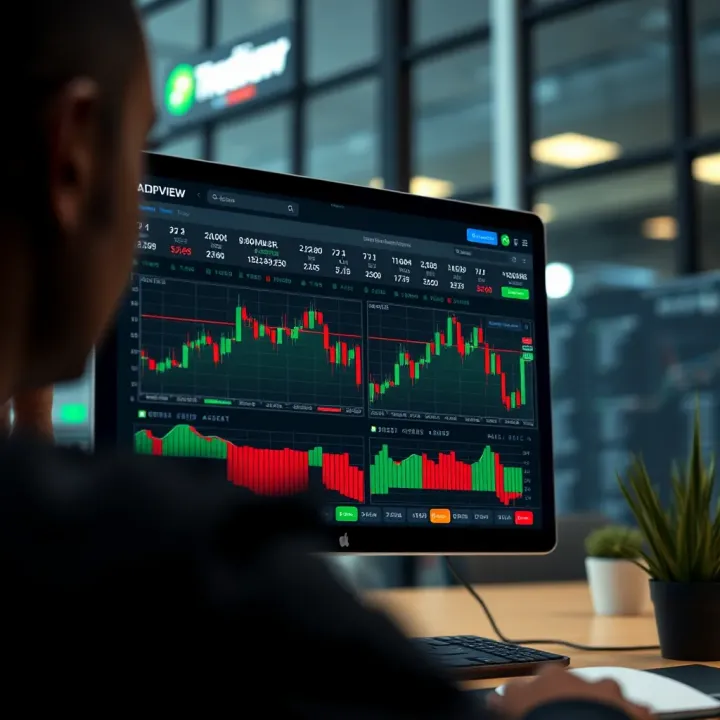
Overall, TradingView’s features and its compatibility with Kenya’s market specifics make it a practical choice for traders seeking to improve analysis and connect with a growing community of market players.
Implementing TradingView successfully on your trading platform helps Kenyan traders access reliable charts, real-time market data, and powerful analysis tools. This practical step-by-step guide covers account setup, embedding charts, and advanced integration, ensuring a smooth experience both for individual traders and financial firms serving Kenya's unique market.
Account types and subscription plans vary to suit different trading needs. Kenyan users can choose from free accounts offering basic access or paid plans like Pro, Pro+, and Premium, which unlock advanced features such as more indicators per chart, multiple charts on one screen, and priority customer support. For instance, a day trader focusing on NSE stocks might invest in a Pro account for enhanced charting capabilities while keeping costs manageable.
The registration process for Kenyan users is straightforward. One simply signs up with an email or social media account, then selects the preferred plan. Importantly, TradingView accepts payments via international methods, but Kenyan traders often rely on card payments linked to local banks or M-Pesa's linked cards. Registration includes confirming the account via email, then setting up preferences, including time zone and default markets, making it easier to follow Nairobi Securities Exchange (NSE) listings right away.
Kenyan traders benefit from mobile and desktop access options. The TradingView app works seamlessly on Android and iOS devices popular in Kenya, allowing users to monitor markets on the go. Desktop access through web browsers provides a full suite of features, ideal for deeper technical analysis. This flexibility suits traders who commute by matatu yet want to stay up to date.
The TradingView Widget library offers a simple way to add interactive charts and market tickers to websites or apps without deep coding skills. Kenyan brokerages or financial bloggers can embed these widgets to display NSE stock prices or forex pairs relevant to KSh easily, enhancing their platforms with real-time analytics.
Customising chart appearance and functionality allows users to match charts with their branding or user preferences. For example, changing colour schemes to dark mode helps reduce eye strain during night trading sessions common in Kenya. Traders can also select specific chart types and indicators important to local trading strategies, such as moving averages tuned to NSE trading hours.
Embedding charts on websites or apps strengthens user engagement by providing direct market data access. A digital trading platform based in Nairobi can integrate these charts to offer clients free, real-time visual data, reducing dependence on third-party apps and creating a competitive edge.
The Charting Library API is a flexible tool for developers wanting to build bespoke trading platforms or add comprehensive charting to existing systems. It supports custom data feeds, letting Kenyan firms feed NSE market data live into the charts alongside global assets.
Technical requirements and setup involve basic web development skills, including knowledge of JavaScript and API handling. Server infrastructure must manage data efficiently, especially to handle peak trading hours in Kenyan time zones. Having a responsive design ensures charts display well across devices.
Examples of typical integration scenarios include:
A brokerage firm embedding live NSE charts within their client portal to improve transparency.
A fintech startup developing a mobile app that combines TradingView's charting with M-Pesa payment integration, enabling seamless account funding and trading.
An educational platform integrating charts and indicators to teach technical analysis to budding traders in Kenya.
Embedding and integrating TradingView equips Kenyan traders and businesses with tools to make informed decisions, reflecting the realities and rhythms of local markets effectively.
Customising TradingView to suit Kenyan market conditions is essential for traders who want precise and relevant insights. The Nairobi Securities Exchange (NSE) has its own unique market behaviour influenced by local economic factors, seasonal business cycles, and regional events. By tailoring TradingView's tools to reflect these realities, traders can make more informed decisions that align with Kenya’s specific trading environment.
Incorporating NSE data directly into TradingView means Kenyan traders get real-time or near-real-time access to local stocks, bonds, and commodities. It’s not just about seeing the price charts; you need reliable data on key shares like Safaricom, Equity Bank, and KCB Group. This integration allows for smoother tracking of NSE-listed securities alongside global markets, helping users spot trends or sudden market moves without switching platforms.
Local data feeds also ensure that Kenyan holidays, market closures, or special trading sessions are recognised in the charts. This avoids misleading signals that might otherwise occur if the platform treated NSE as a generic market without local context.
Kenyan markets sometimes respond to factors that global technical indicators don’t capture well—think of the effects of the long and short rains on agricultural stocks or seasonal spikes around festive seasons like December. Setting up custom indicators that consider such local trends can give traders an edge.
Examples include indicators that alert traders during Kenya’s harvest seasons or those modelling fluctuations in East African shilling currency pairs, which are affected by regional trade flows. These tailored insights add depth to technical analysis, improving risk management and timing.
TradingView’s Pine Script allows savvy users to create personalised studies, alerts, and strategies that reflect Kenyan market behaviour. For instance, a trader could script an alert for Safaricom’s share price crossing a moving average only during high-volume trade days, which typically happen when KRA announces tax changes affecting telcos.
The ability to write or customise scripts means traders aren’t confined to generic tools. They can incorporate Kenya-specific economic calendars, integrate local news triggers, or develop strategies that reflect Nairobi’s trading hours and volatility patterns.
Setting price alerts on key NSE stocks helps traders react swiftly to significant movements. For example, alerting when Equity Bank’s share price dips below a certain threshold after earnings reports allows traders to consider buying at a potential bargain or to cut losses.
These alerts can be set to trigger on technical signals such as breakouts or moving average crossovers, making them a practical tool for managing positions without constant monitoring.
Foreign exchange plays a big role in Kenyan trading, especially with importers and exporters watching the shilling’s movement closely. TradingView can be customised to track currency pairs like USD/KES, EUR/KES, and GBP/KES. Alerts notifying a drop or rise in these pairs help businesses and forex traders time their conversions or hedging strategies.
For instance, if the USD/KES rate rises sharply, an importer can choose to delay purchases or adjust pricing to accommodate currency depreciation.
Mobile alerts enable traders to stay connected on the go, which is crucial given how busy Nairobi and other towns can be. Receiving instant notifications on smartphones via the TradingView app means you don't miss out on timely market shifts—even while stuck in traffic or away from your desk.
These quick updates are valuable for day traders and swing traders alike, ensuring they can act on opportunities or mitigate risks promptly without being glued to a desktop.
Customising TradingView with local data, tailored indicators, and mobile alerts puts Kenyan traders in the driver’s seat, helping them navigate NSE markets and currency fluctuations more confidently and efficiently.
TradingView has become a vital tool for many Kenyan traders and financial firms, offering practical features that match local market dynamics. Its real-time charts, custom indicators, and social trading aspects help users make more informed decisions in a market that can be volatile and rapidly changing. Understanding how TradingView fits into Kenyan trading routines sheds light on why it has gained traction both among retail traders and professional firms.
Day trading and swing trading strategies are popular among Kenyan retail traders aiming to capitalise on short- to medium-term price movements. TradingView’s variety of technical indicators and drawing tools enables users to identify entry and exit points quickly. For example, a Nairobi-based trader might use the RSI (Relative Strength Index) or Bollinger Bands on NSE-listed stocks like Safaricom to spot short-term overbought or oversold conditions, tailoring their trades for daily or weekly trends.
Tracking performance and risk management is critical for preserving capital in Kenya's often unpredictable market. TradingView’s portfolio tracking feature allows traders to monitor their holdings across different assets, including equities, forex pairs like USD/KSh, and commodities. Setting stop-loss levels helps Kenyan traders avoid heavy losses. This real-time performance overview supports timely adjustments to trading plans and safeguards investment.
Sharing ideas through TradingView’s social space adds a community-driven layer to trading. Kenyan traders frequently exchange setups, predictions, and analyses with peers, helping beginners learn faster. For instance, a trader might post a chart analysis on Safaricom or Equity Bank, inviting feedback, which encourages collective learning and generates confidence before placing trades.
Enhancing client platforms with live charts allows Kenyan brokerages to offer improved services. By integrating TradingView’s live charting tools into their websites or mobile apps, firms provide clients with instant market visuals without the need for external platforms. This not only improves user experience but also retains customers by making platforms more interactive and insightful.
Providing technical analysis tools to clients is increasingly important for financial firms in Kenya aiming to compete. TradingView offers a rich toolkit of indicators, real-time news, and market scans, allowing brokers to support clients' decision-making processes more effectively. This added value can attract more active traders who seek advanced tools within a single platform.
Linking with mobile payment systems like M-Pesa for account funding streamlines the trading process for Kenyan clients. Integrating TradingView-powered platforms with M-Pesa enables quick deposits and withdrawals, which is crucial in a country where mobile money reigns supreme. This convenience encourages more participation in trading activities, as funding accounts becomes hassle-free and secure.
TradingView’s practical applications in Kenya's trading scene go beyond charts. They foster community engagement, improve user experiences, and align with local payment habits, making it a pivotal tool for modern traders and brokers.
Effective use of TradingView can transform how Kenyan traders make decisions, especially given local challenges like fluctuating internet speeds and specific regulatory requirements. This section focuses on practical tips to get the most from TradingView within Kenya's market environment, helping traders avoid common pitfalls and streamline their experience.
Using lightweight chart configurations helps when your internet connection is slow or patchy, a common situation outside Nairobi's urban centres. Stripping charts down to essential indicators—such as just candlesticks and RSI (Relative Strength Index)—reduces data use and speeds up loading times. Turning off features like volume profiles or unnecessary overlays can improve responsiveness without losing crucial insight.
Offline access and data saving options are vital when connectivity drops unexpectedly. Users can export chart snapshots or save analysis scripts offline. Although TradingView itself is mostly online-based, using its mobile app's downloaded data and cached charts allows review of recent market action without real-time internet. This is especially handy for traders in rural areas or during network outages.
Mobile app versus web browser use is a choice that affects performance and convenience. The TradingView mobile app tends to use less data and runs smoother on Kenya’s often inconsistent mobile networks. However, the desktop web version offers more advanced features like complex Pine Script editing. Kenyan traders should pick based on their location and data budget. For example, a Nairobi-based trader with stable fibre broadband can comfortably use the web platform, while someone in Kisumu might prefer the app to avoid delays and buffering.
Compliance with Capital Markets Authority (CMA) regulations is a must for all users integrating TradingView into their trading setups. The CMA oversees market integrity and investor protection in Kenya. Traders and brokers should ensure their activities on TradingView do not violate local securities laws—for instance, sharing unlicensed investment advice or insider information could attract penalties. Using TradingView’s tools for personal technical analysis is fine, but public financial advice must follow CMA guidelines.
Data privacy and security concerns grow as more Kenyans trade online. Protecting personal data and sensitive financial information means choosing secure passwords and enabling two-factor authentication on TradingView accounts. Kenyan traders should also be wary of phishing attempts targeting users through M-Pesa or email. Ensuring devices have updated security software adds a crucial layer of defence.
Integrating with approved broker platforms matters for legal and financial safety. TradingView supports connection with brokers authorised by the CMA, like some NSE-registered firms. Linking your TradingView charts directly to an approved broker allows smooth order placement and account management without breaching Kenyan law. This integration also reduces risks of fraud and ensures compliance with local settlement and taxation rules.
Practical, localised steps help Kenyan traders make the most of TradingView while managing Kenya's unique market and infrastructure realities effectively.
By following these tips, users can enjoy smooth, legal, and secure TradingView experiences tailored to Kenyan conditions. Whether trading from a bustling Nairobi office or a quieter county town, optimised setups and compliance improve trading confidence and results.
Discover how Kenyan traders can master TradingView.com 📈 with easy-to-use charts, real-time analysis, custom tools, and connect with fellow investors locally and beyond.
📈 Learn how Deriv.tradingview offers Kenyan traders powerful charts, market analysis, and smooth M-Pesa payments for smarter trading decisions every day.
📈 Discover how Kenyan traders can boost strategies by using TradingView with Deriv. Learn platform features, integration, tips, and tackling common challenges in trading.
Ready to trade on OlympTrade? Learn how Kenyan traders can start with M-Pesa deposits, explore forex and options, master risks, and trade confidently 📈💻
Based on 8 reviews