
Practical Forex Trading Guide for Kenyan Investors
📊 Learn forex trading basics, market tips, and risk strategies tailored for Kenyan investors. Start smart, avoid common pitfalls, and grow your KSh portfolio today!
Edited By
Isabella Shaw
The foreign exchange market, commonly called forex, is the largest financial market worldwide. It operates 24 hours a day, five days a week, allowing traders and investors to buy and sell currencies around the clock. For Kenyan investors, forex offers chances to grow capital by trading currency pairs like the US dollar (USD) against the Kenyan shilling (KES) or other international currencies.
Forex trading isn’t about owning physical money. Instead, it involves speculating on whether one currency’s value will rise or fall compared to another. For instance, if you expect the USD will strengthen against the KES, you might buy USD/KES hoping to sell later at a higher rate. Kenyan exporters and importers also watch forex closely since changes in exchange rates directly impact their business costs and revenues.
Several key factors affect currency movements in the forex market:
Economic data releases: Inflation rates, GDP growth, and employment figures influence how strong a currency appears to traders.
Interest rates: Central banks like the Central Bank of Kenya set benchmark rates that attract or deter foreign capital, affecting currency demand.
Political stability: Uncertainty from elections, policy changes, or social unrest can prompt volatility in the shilling and other currencies.
Global events: Crises or major trends such as commodity price shifts and trade agreements can sway forex markets.
Understanding these drivers helps you better anticipate market moves instead of just guessing.
Kenya’s forex market is regulated by the Capital Markets Authority (CMA), which oversees forex brokers and protects investors from unfair practices. It's important to trade through licensed brokers who comply with CMA rules and offer transparent pricing. This safeguards your funds while you take advantage of forex opportunities.
Starting forex trading requires several practical steps:
Open an account with a reputable Kenyan regulated broker.
Fund your account, usually via bank transfer or M-Pesa.
Use trading platforms available on mobile or desktop to analyse currency pairs.
Apply risk management tools such as stop-loss orders to limit potential losses.
By grasping how the forex market works and the forces shaping currency rates, Kenyan investors can make informed decisions. This reduces risks and improves chances of successful trades in a market that never quite sleeps.
Understanding the basics of the forex market is a must for anyone looking to trade currencies effectively, especially Kenyan investors dipping their toes into this fast-moving arena. Forex trading isn't just about guessing which currency will rise or fall; it requires grasping how the market functions, the players involved, and the instruments traded. This foundation helps you avoid common pitfalls and navigate the market with greater confidence.
The forex market, short for foreign exchange market, is where currencies are bought and sold globally. Unlike stock exchanges, forex operates 24 hours a day, five days a week, through a network of banks, brokers, financial institutions, and individual traders. Imagine it as a vast marketplace where currencies such as the US dollar, Euro, or Kenyan shilling constantly change hands day and night. This makes it the largest financial market worldwide, with an average daily turnover exceeding $6 trillion.
In practical terms, forex allows businesses to pay for imports in foreign currencies, tourists to exchange cash for travel, and investors to speculate on currency price movements. Kenyan exporters, for instance, convert US dollar payments back to shillings, which influences local forex flows.
Forex trading involves buying one currency while simultaneously selling another, always in pairs. For example, the USD/KES pair shows how many Kenyan shillings you need to buy one US dollar. When you believe the dollar will strengthen against the shilling, you buy USD/KES; if you expect the shilling to gain value, you sell USD/KES.
Trades occur in lots, typically starting from micro lots of 1,000 units to standard lots of 100,000 units. Most retail traders use leverage provided by brokers to control larger positions with smaller capital, but this adds risk. Prices fluctuate because of economic data, political developments, and market sentiment, creating opportunities and risks.
Most trades happen electronically via platforms like MetaTrader 4 or broker-specific apps. In Kenya, traders often fund accounts using M-Pesa and monitor markets on mobile devices.
Some currency pairs attract more attention due to high liquidity and economic significance. The 'majors' include:
EUR/USD (Euro/US Dollar): The most traded pair globally, influenced by US and Eurozone economic data.
USD/JPY (US Dollar/Japanese Yen): Popular for its volatility and safe-haven status of the yen.
GBP/USD (British Pound/US Dollar): Affected by UK and US economic policies and events.
USD/KES (US Dollar/Kenyan Shilling): Key for Kenyan traders, reflecting local and global economic pressures.
Trading major pairs usually means tighter spreads—less cost to enter and exit positions. Understanding how these pairs react to news from their respective countries helps traders make informed choices. For instance, changes in US Federal Reserve interest rates often move USD pairs sharply.
Getting a handle on these forex fundamentals helps Kenyan investors not just to trade but to appreciate how global and local events shape currency values, which directly impact investments, business costs, and savings.
In the next section, we'll explore the main factors influencing these price moves and how you can stay ahead in the market.
Understanding what moves currency prices is essential for anyone trading forex in Kenya. Unlike stocks, forex prices respond quickly to a mix of economic data, political developments, and the mood of traders. Knowing these factors helps you anticipate shifts, manage risk, and make smarter trading calls.
Economic indicators are statistics that show how an economy is doing. For instance, Kenya’s inflation rate, Gross Domestic Product (GDP) growth, and unemployment figures all affect the Kenyan shilling's strength. If inflation suddenly spikes beyond the Central Bank of Kenya’s 5% target, the shilling might weaken due to concerns over purchasing power. Conversely, a strong GDP report from the US often strengthens the US dollar because it signals a robust economy.
Some key economic reports to watch include:
Interest rate decisions: Central banks like the CBK or the US Federal Reserve change rates based on economic health. Higher rates attract investors seeking better returns, pushing the currency up.
Trade balance: If Kenya exports more than it imports, demand for the shilling rises, sometimes causing its value to increase.
Consumer confidence: Surveys measuring how optimistic consumers are affect spending, indirectly influencing currency demand.
Being aware of when these reports come out on the economic calendar allows you to prepare for possible volatility.
Politics can make or break currency markets. Political stability reassures investors, while uncertainty makes them jittery. During Kenya’s 2017 election, for example, the shilling experienced volatility as investors weighed the risk of unrest.
Unexpected political events, like sudden policy changes or diplomatic tensions, can cause sharp moves. An announcement of new trade tariffs between major economies often triggers quick reactions in forex prices worldwide. For Kenyan investors, staying updated on both local and global politics is vital. News from blocs like the East African Community (EAC) or shifts in US-Kenya relations can sway currency flows.
Sometimes, prices move simply because traders believe they will—this is market sentiment. Rumours, forecasts, and social mood swing currency values even without concrete data. A common example is when traders expect the US dollar to weaken due to upcoming rate cuts, prompting early selling even before official announcements.
Speculators contribute liquidity but also add risk. Large banks, hedge funds, or even individual Kenyan traders betting on currency moves impact prices beyond fundamentals. Charts showing price trends and volumes can offer clues about sentiment. For instance, a sudden surge in buying US dollars on a Nairobi forex platform might signal growing confidence in the greenback.
Successful forex trading blends knowledge of economic and political realities with an understanding of market emotions.
By following economic indicators, keeping an eye on political happenings, and reading market mood, Kenyan investors can better navigate the ups and downs of forex prices. This approach reduces surprises and supports more consistent trading results.
Starting forex trading in Kenya requires careful preparation and understanding of the local market environment. This stage is crucial as it sets the foundation for successful trading and helps manage risks specific to Kenyan investors. Here, we focus on three key areas: selecting a trusted broker, opening a trading account with user-friendly platforms, and choosing convenient payment methods, including M-Pesa.
Your choice of a forex broker can make or break your trading experience. Look for brokers regulated by respected authorities like the Capital Markets Authority (CMA) in Kenya or international bodies such as the Financial Conduct Authority (FCA). Regulation ensures the broker follows strict rules, safeguarding your funds. For example, brokers like HotForex and AvaTrade have gained popularity among Kenyan traders due to their CMA-compliant services and accessible platforms.
Check reviews for transparency, trading costs (spreads and commissions), and customer support quality. A trustworthy broker should also offer clear policies on withdrawals, leverage options, and account protection. Avoid brokers promising unrealistic returns, as these often hint at scams.
Opening a trading account is generally a straightforward process but demands accuracy in providing required documents like your national ID and proof of residence. Most brokers offer demo accounts to practice before committing real money. This helps familiarise you with trading platforms such as MetaTrader 4, MetaTrader 5, or the broker’s proprietary interfaces.
Choose platforms that support mobile and desktop access, given Kenya’s growing mobile internet users. These platforms should feature easy-to-read charts, fast execution, and tools for technical analysis. For instance, MetaTrader is widely used in Kenya because it suits both beginners and experienced traders and supports various plugins.
Kenyan traders benefit greatly from flexible payment options. M-Pesa, Safaricom’s mobile money service, has become a dominant gateway for funding forex accounts due to its speed, transparency, and ubiquity across urban and rural areas.
Besides M-Pesa, brokers may accept bank transfers, credit and debit cards, or e-wallets like Skrill and Neteller. Always confirm that the broker accepts your preferred payment method and be aware of any fees or conversion charges involved.
Starting with a regulated broker, understanding your trading platform, and having reliable ways to fund your account are the cornerstones of successful forex trading in Kenya.
Taking these practical steps places you in a strong position to navigate the forex market with confidence, keeping risks manageable while aiming for your investment goals.
Understanding common forex trading strategies is essential for any Kenyan investor aiming to participate effectively in the currency market. These strategies help traders manage risks and improve their chances of making profits by adapting to market behaviour and timing. Each approach suits different trading styles and risk appetites, so it’s worth exploring them to find what fits your investment goals.
Day trading involves opening and closing forex positions within the same day to take advantage of small price movements. This approach suits traders who can monitor the market closely during Nairobi’s working hours and react quickly to changes. Scalping is a more intense form of day trading where traders execute many trades throughout the day, aiming for tiny profits on each. For example, a trader might buy the USD/KES pair early in the morning when the market opens and sell just minutes later to catch a small, quick gain. Both strategies require discipline and sometimes sophisticated trading platforms that provide real-time data.
Swing trading holds positions over several days or weeks to profit from expected market shifts. This method is less demanding than day trading but still requires attentiveness to global events and economic indicators. A Kenyan investor might use swing trading after noticing an upcoming Central Bank of Kenya announcement or US Federal Reserve interest rate decision that could affect currency valuations. The key is to capture medium-term trends without the stress of constant market watching, making it accessible for those balancing forex with other commitments.
Successful forex trading often combines technical and fundamental analysis. Technical analysis studies price charts, trends, and patterns to predict future price movements. For instance, a trader might spot a support level on the EUR/USD chart and anticipate a price bounce to open a long position. Fundamental analysis looks at economic data, political events, and central bank policies. An Kenyan investor might track Kenya’s inflation reports or global oil prices to understand how these factors impact forex pairs involving the Kenyan shilling.
Remember, no single strategy guarantees profits. Combining these approaches with proper risk management is the best way to navigate forex markets wisely.
In summary, Kenyan traders should consider their time availability, risk tolerance, and market knowledge when choosing among day trading, scalping, swing trading, or analytical approaches. Each has practical benefits and challenges but understanding them helps build a personalised, informed trading approach suited to Kenya’s unique market conditions.
Forex trading offers tempting opportunities but comes with significant risks. Kenyan investors must understand these risks fully and also how local regulations protect them. Without this knowledge, many fall prey to losses or scams. This section digs into the common trading risks, the role of Kenyan authorities in regulation, and how to spot fraudulent schemes.
The forex market is highly volatile, meaning currency prices can swing widely in short periods. This volatility can wipe out your investment quickly if you’re not cautious. Leverage, common in forex trading, amplifies both profits and losses. For example, using a 100:1 leverage means a small 1% market movement can completely erode your trading capital. Hence, risk management strategies like stop-loss orders and limiting leverage are vital.
Another risk is liquidity—some currency pairs are less liquid, especially during off-hours, leading to spreads that widen unexpectedly. This can increase the cost of trading and reduce profitability. Kenyan investors should stick with well-known pairs like USD/KES, EUR/USD, or GBP/USD for better liquidity.
Understanding market fundamentals and keeping abreast of global economic news—such as interest rate changes by the Central Bank of Kenya (CBK) or US Federal Reserve—can help manage risks. That said, no strategy guarantees profit, so only invest money you can afford to lose.
Kenya’s Capital Markets Authority (CMA) oversees forex brokers operating locally. The CMA requires brokers to be licensed and ensures they adhere to rules protecting investors from malpractice. For instance, brokers must maintain segregation of client funds and issue regular trade statements. This reduces fraud risk and ensures transparency.
However, many Kenyan traders also access international brokers online. While these might offer better platforms or conditions, they operate outside CMA’s direct oversight, increasing risk exposure. Therefore, choosing a CMA-licensed broker is generally safer.
The Central Bank of Kenya (CBK) also plays a role by monitoring foreign exchange flows and intervening in the forex market to stabilise the Kenyan shilling when necessary. This intervention affects forex prices locally and is a factor traders must watch.
Kenya’s booming forex market has attracted scams posing as legitimate investment opportunities promising easy money. These often ask for upfront fees or deposits into unregulated accounts. A red flag is brokers or schemes guaranteeing profits without risk.
Always verify if a broker is registered with the CMA. Avoid platforms that do not provide clear contact details or demand payment outside regulated payment systems like M-Pesa or bank transfers within Kenya. Be wary of unsolicited calls or messages offering insider tips.
Remember: If something sounds too good to be true in forex trading, it probably is. Doing your homework and sticking with reputable brokers protects your hard-earned money.
In summary, managing forex risks and working through regulated brokers helps safeguard your investments in Kenya. Stay informed, use risk controls wisely, and remain alert to scams to navigate the market confidently.
📊 Learn forex trading basics, market tips, and risk strategies tailored for Kenyan investors. Start smart, avoid common pitfalls, and grow your KSh portfolio today!
🌍 Discover how Kenyan investors can start online forex trading safely, choose proper platforms, understand risks, and apply strategies tailored to Kenya’s economy. 📈
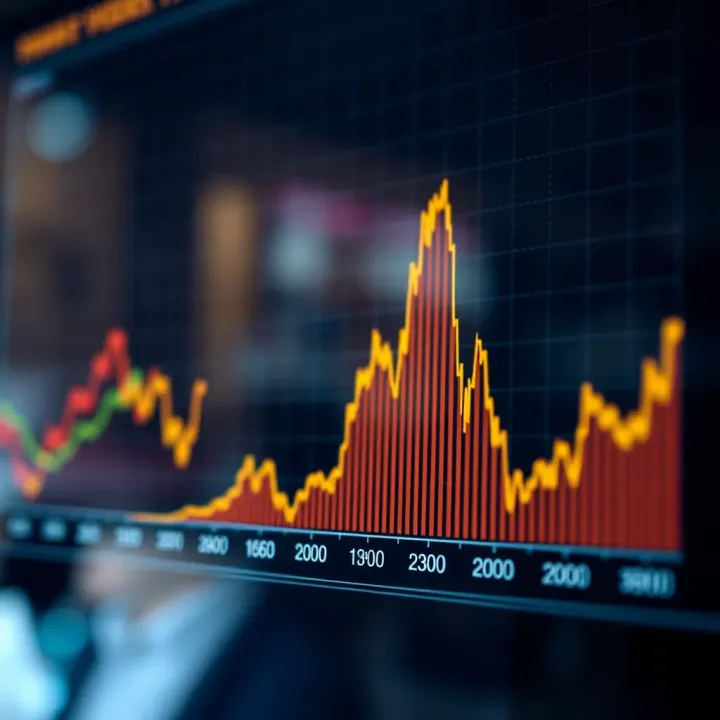
📈 Understand the Volatility Index to track market shakes and investor mood in Kenya. Learn how this tool helps manage risks and guides smarter investing decisions.
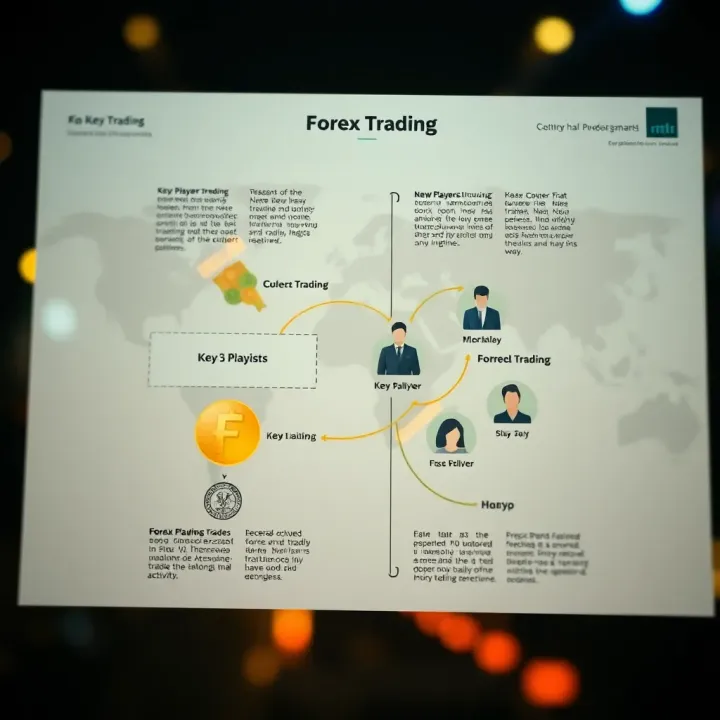
📈 Learn forex trading basics, risks, and benefits with practical tips for Kenyan traders. Understand local rules and how to trade currencies safely and profitably.
Based on 11 reviews